
What ANC 2026 in Charlotte Is Really Telling Us About K-12 Kitchen Design
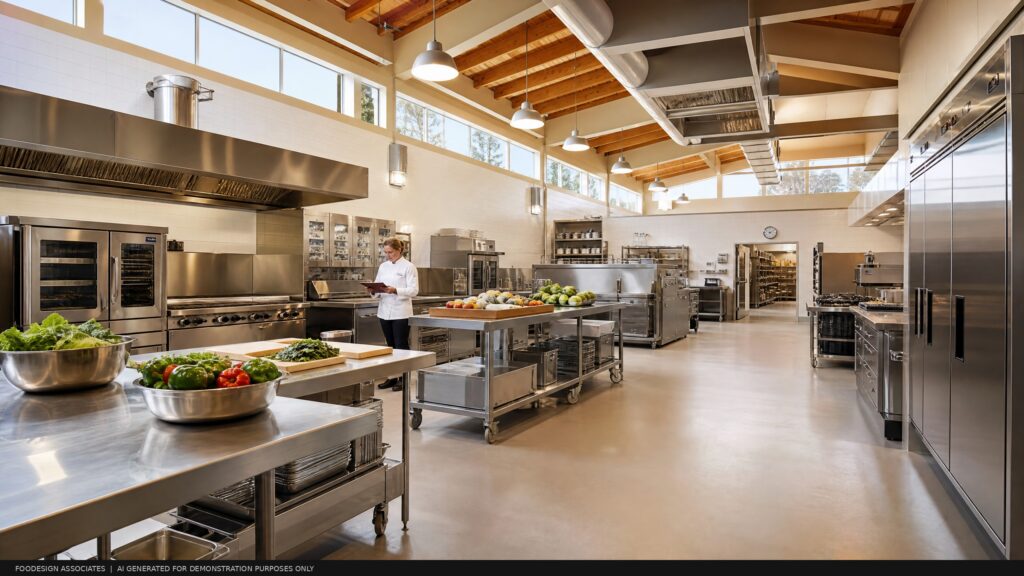
I have been watching the ANC program build out for a few weeks now. This year it lands in Charlotte, which means I will actually be in the room. That changes how I read it.
What the sessions are describing, across labor, dietary complexity, and menu adaptability, is a facility problem. The foodservice design conversation just has not caught up to it yet.
Every year I track what the SNA Annual National Conference (ANC) education program is emphasizing. It is a clear read on where K-12 nutrition is actually heading, as opposed to where people say it is heading.
This year’s themes are familiar. Labor pressure, menu complexity, special diet protocols, and regulatory updates are all pressing issues. The programming is practical and relevant.
But I keep reading these sessions and thinking that the underlying problem is not being named.
The Labor Conversation Is a Design Conversation
One of the session titles this year is “Boost Flavor, Not Labor.” It is framed around scratch cooking approaches that reduce prep burden while improving output. That is a meaningful culinary conversation.
It is also a facilities conversation.
You cannot cook smarter in a kitchen that was not designed for smarter cooking. Scratch production at volume requires specific prep adjacencies, adequate ventilation capacity for the actual cooking load, and storage configurations that support ingredient-forward workflows. When those elements are not there, operators compensate with extra hands and workarounds.
The labor problem and the design problem are the same problem. They just do not tend to show up in the same session.
Dietary Complexity Sessions Are Describing Infrastructure
The programming around special diets is extensive this year. Plant-based integration, allergen-safe protocols, and USDA compliance alongside sodium and added sugar reduction reflect a real shift in what nutrition directors are being asked to manage.
From a design standpoint, that shift has implications that a nutrition conference will not fully address.
Allergen-safe separation is not just a protocol. It requires physical space and dedicated flow paths. Plant-based production at volume requires equipment and utility infrastructure that most older K-12 facilities were not planned around. Menu flexibility requires storage and prep capacity that can adapt when menus change.
When a nutrition director says a program is not working, it is often not a staffing problem or a procurement problem. It is a facility problem that nobody has named yet. The kitchen is not failing the people. The facility is failing the kitchen.
What the SNA Short Talks Format Is Signaling
ANC 2026 is piloting a new format this year. Four speakers, one hour, ten minutes each. They are calling them SNA Short Talks. The stated goal is concentrated takeaways over extended presentations.
That is an interesting signal on its own.
It suggests the field is moving faster than traditional conference formats can keep up with. Directors do not have ninety minutes for a deep-dive anymore. They need decision-relevant information quickly so they can act on it.
The same pressure shows up in design work. By the time a district decides a renovation is necessary, the situation is already urgent. Kitchens get stretched until they cannot be stretched anymore. Then the project has to move fast, under budget pressure, with the design conversation compressed into a narrow window.
Getting ahead of that curve is what changes outcomes.
The Question ANC Does Not Have a Session For
The programming reflects where nutrition directors are right now, and it is genuinely useful.
What it does not have is a session that asks if your facility actually supports what you are trying to do.
That question belongs to a different kind of conversation. One that starts with the design side asking what the operation needs, not the operation apologizing for what the facility will not allow.
In our K-12 school projects, the situations that were hardest to solve had one thing in common. The design conversation happened too late. The program was already set, the kitchen was already running, and the only question left was how much damage control was possible.
The schools getting ahead of it are asking the design question early. Before the labor problem becomes a crisis. Before the allergen protocol becomes a daily negotiation with a space that was not built for it.
ANC is in Charlotte this year. If you are attending and want to compare notes on what you are hearing from your operators, I would welcome that conversation.
If what I am describing sounds like your facility, whether you are an architect, a facilities director, or a nutrition director trying to figure out why the kitchen cannot keep up, let’s talk about what is actually in the way.
Contact us today to discuss your next project.
Foodesign Associates is a Women-Owned Small Business (WOSB) and Economically Disadvantaged Women-Owned Small Business (EDWOSB), based in Charlotte, NC, serving K-12, healthcare, higher education, and 13 additional sectors nationwide.