
Foodservice Design for Senior Living: What Changes When Residents Are the Priority
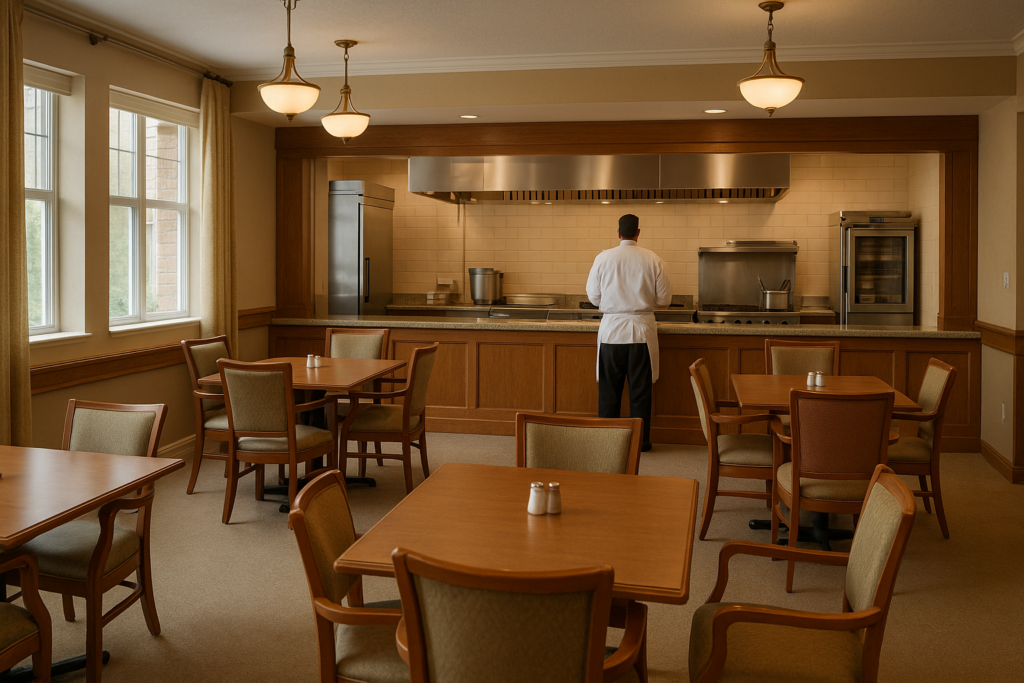
Senior living dining isn’t built around customers. It’s built around residents who eat there every day for years. That single difference reshapes the whole brief. Senior living foodservice design has to balance therapeutic diets, accessibility, and a residential feel against the same commercial code any kitchen has to meet. In This Article The Diets Are […]
Getting Ultra-Processed Food Out of School Meals: What Scratch Cooking Means for K-12 Kitchen Design
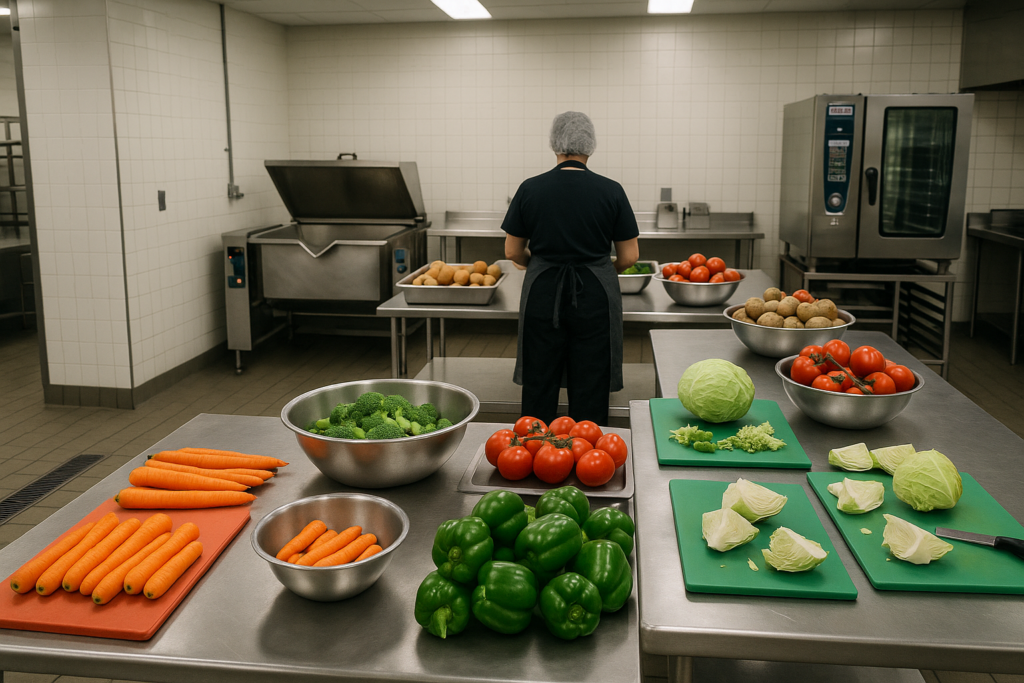
Districts are being pushed to cook more from scratch and serve fewer ultra-processed products. That’s a menu decision with a building consequence. Scratch cooking at school volume needs prep space, equipment, and storage that most K-12 kitchen design from the heat-and-serve era simply doesn’t include. In This Article Scratch Cooking Is a Prep Problem First […]
Data, Innovation, and the Modern Campus Kitchen
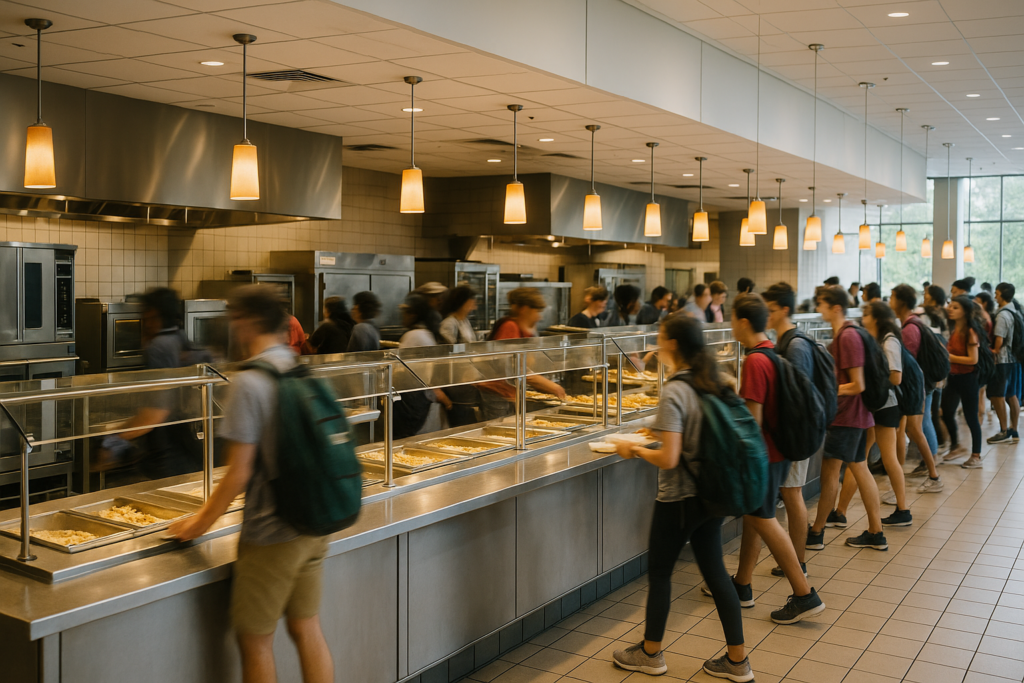
Campus dining is being asked to do more than it was built to do. The data tells the story: more meal periods, more dietary tracks, more transparency. Most of that pressure lands on a kitchen that was planned for a different era, which makes foodservice design the quiet variable in almost every campus dining decision. […]
The Hidden Risk: When Kitchen Design Ignores Allergens
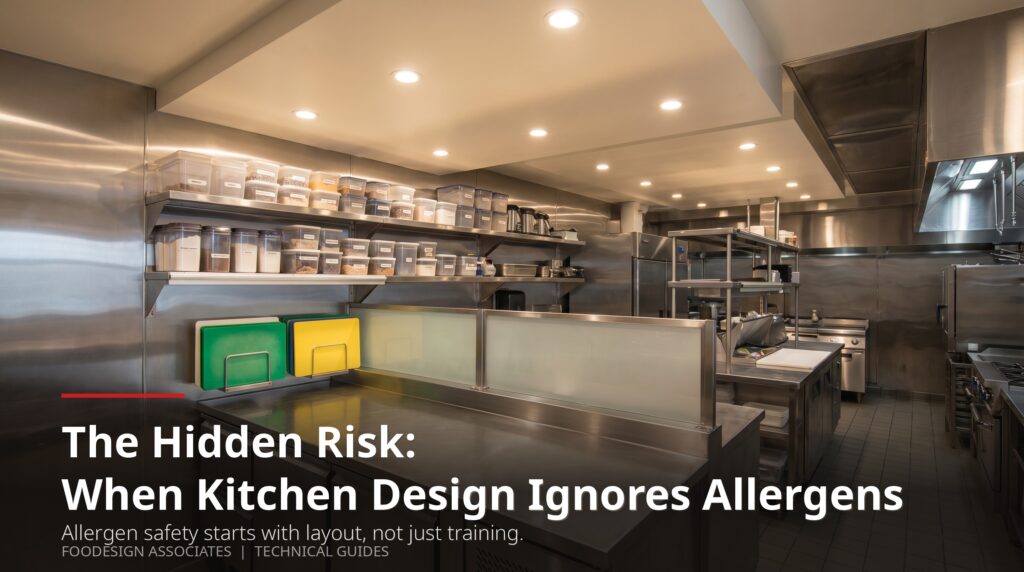
Allergen safety in commercial kitchens starts with layout, not just training. Learn how zoning, storage, circulation, and equipment placement affect allergen control in institutional and commercial foodservice facilities.
What the FCSI Biennial Conference Is Really Telling Us About the Future of Foodservice Consulting
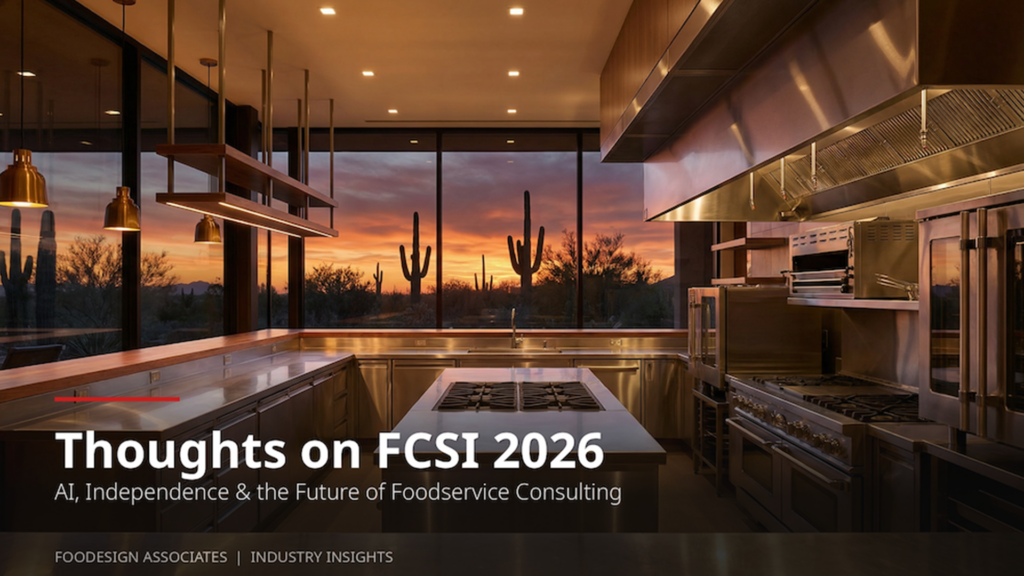
The FCSI Biennial Conference, held April 23–26 in Phoenix, brings together independent foodservice consultants from across the Americas. This year’s program features AI expert Dan Chuparkoff alongside James Beard Award-winning restaurateur Kevin Boehm, a pairing that signals where the profession is heading: smarter operational tools, and an intensifying premium on independent judgment. For architects, that […]
Six Things That Changed in 2026 That Make Early Kitchen Coordination Non-Negotiable
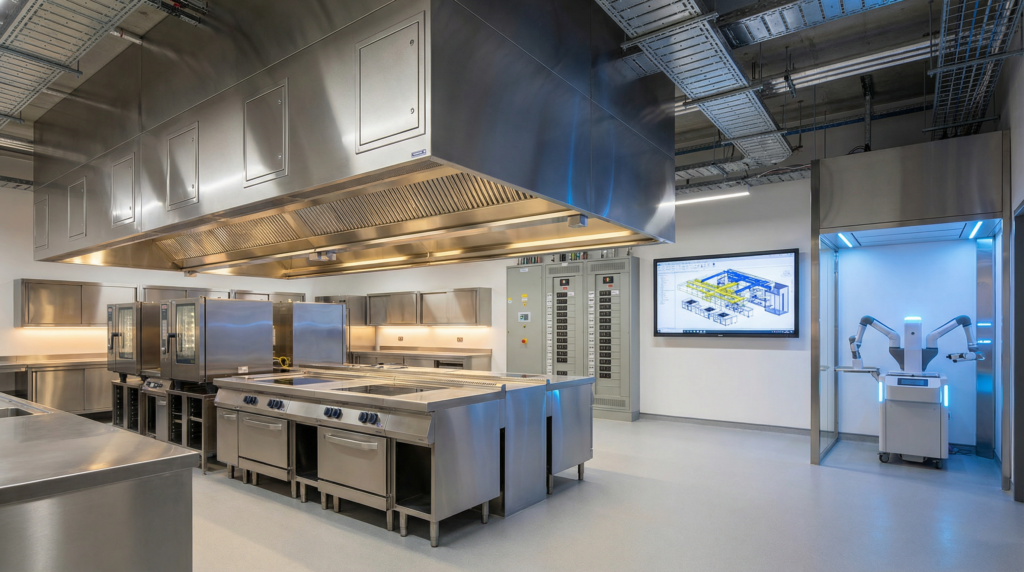
2026 Executive Summary: In 2026, the transition to all-electric commercial kitchens and the arrival of robotic infrastructure (LOD 350) have moved kitchen coordination from a late-phase task to a Schematic Design requirement. Mandatory codes like California’s Title 24 and NFPA 96 (2025) now dictate electrical loads and fire suppression specs that can no longer be […]
What Is a Foodservice Consultant? A Guide for Architects and Operators

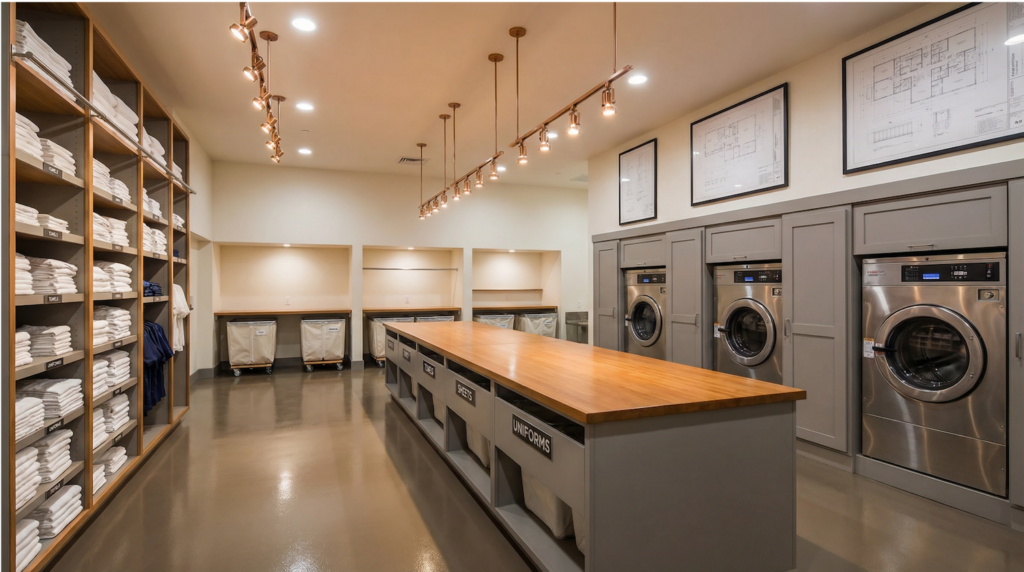
Commercial Laundry Design: What to Coordinate Before the Drawings Start
Navigating Small Commercial Kitchen Design in Historic Buildings
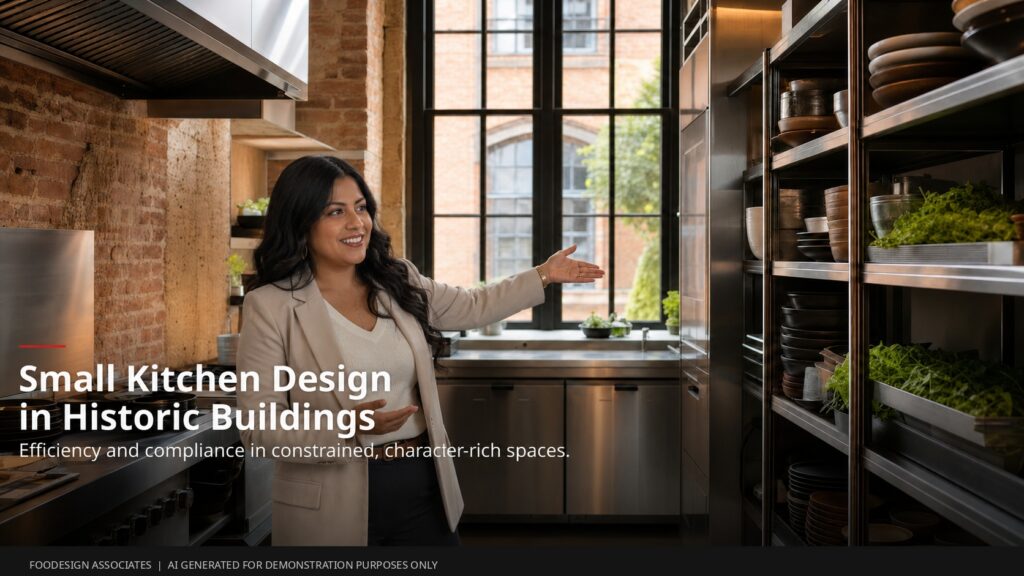
How to design a small commercial kitchen inside a historic building. Practical guidance on constraints, code, ventilation, and workflow trade-offs.
Restaurant Floor Plan Guide
A practical guide to restaurant floor plans for architects. Learn how flow, zoning, and coordination decisions shape long-term operational performance.